• Skincare

What is the skin barrier, and why is it so important?

The skin barrier is essential for healthy skin, as it acts as a protective shield against external factors. This article explores the function of the skin barrier, why it is so important, and how it can be strengthened.

Contents

THE IMPORTANCE OF THE SKIN BARRIER AND HOW TO STRENGTHEN IT

What is the skin barrier?
The complex structure of the skin barrier consists of ceramides and other lipids that are essential for maintaining its barrier function. This barrier layer protects the skin from excessive moisture loss and prevents harmful substances and microorganisms from penetrating it. It works together with the hydrolipid film to provide optimal protection for the skin and maintain its functions.

Why is the skin barrier important?
An intact skin barrier protects against environmental factors, allergens, and pathogens. Studies have shown that the skin barrier is crucial for overall skin health. The role of the skin microbiome in maintaining skin barrier function is increasingly recognized as important. A compromised skin barrier can lead to skin problems such as dryness, irritation, and infections.

Factors That Damage the Skin Barrier

Various factors can compromise the skin barrier. Among the most common causes are:

  • Excessive cleaning and harsh cleaning products
  • Environmental factors such as UV radiation and pollution
  • Insufficient Hydration
  • An Unbalanced Diet
  • Lack of sleep
  • Hormonal Changes

REPAIRING THE SKIN BARRIER

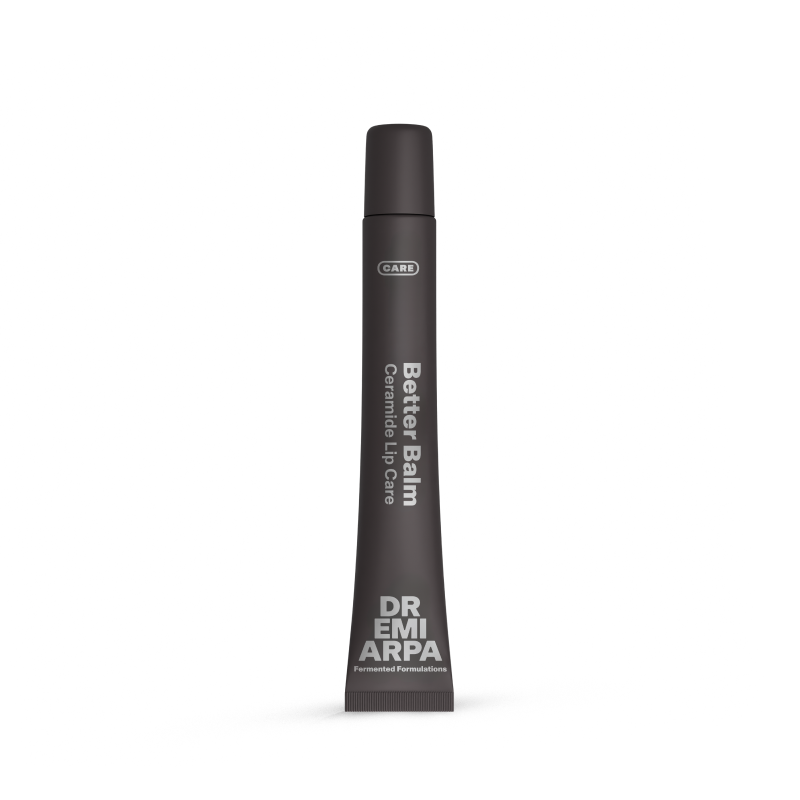
When the skin barrier is compromised, it’s important to use products that soothe and repair the skin. Ingredients such as panthenol, ceramides, and pre- and postbiotics are particularly well-suited for this purpose. Scientific articles also strongly emphasize the importance of the skin microbiome in wound healing and the restoration of the skin barrier. Our Better Balm Ceramide Lip Care contains these key ingredients and is designed to repair the damaged skin barrier on the lips. Thanks to its combination of ceramides, panthenol, and pre- and postbiotics, Better Balm Lip Care offers an effective solution for soothing and regenerating dry, chapped lips.

<p>HAUTBARRIERE REPARIEREN</p>

STRUCTURE OF THE SKIN AND ITS PROTECTIVE FUNCTIONS

The skin is the body's largest organ and consists of three main layers: the epidermis, the dermis, and the subcutis. Each of these skin layers has specific roles and functions that are crucial to the skin's health and well-being.

The Three Layers of the Skin

  1. Epidermis
    The epidermis is the outer layer of the skin and forms the primary protective barrier. It consists of several layers of cells that form a waterproof layer. The epidermis protects against mechanical damage, chemical substances, and microorganisms.
  2. Dermis
    The dermis lies beneath the epidermis and contains collagen and elastin fibers, which give the skin its firmness and elasticity. It supplies the epidermis with nutrients and is responsible for thermoregulation.
  3. Subcutis
    The subcutis consists of fatty tissue that acts as a shock absorber and stores energy. It protects the internal organs and helps retain heat.

    Functions of the Skin
    The skin has several important functions:
  • The body's protective barrier: Protects against external factors and pathogens.
  • Temperature Regulation: Helps regulate body temperature through sweating and blood circulation.
  • Sense organ: Perception of touch, pain, and temperature.

PROTECTIVE SHIELD: SKIN BARRIER

The skin forms a protective barrier that shields the body from harmful environmental factors such as toxic substances, UV radiation, and pathogens. As the body’s first line of defense, the health and function of this barrier are essential for protecting the entire organism. 

  1. Microbial Barrier
    The microbial barrier consists of certain microorganisms such as bacteria, fungi, and yeasts. These “good” microorganisms, also known as commensals, prevent the growth of harmful microbes by competing with them for space and nutrients. A loss of these microbes can cause inflammation, chronic wounds, or abscesses. In addition, the “good” microorganisms produce antibiotic substances that are effective against pathogens such as Staphylococcus aureus.
  2. Physical Barrier
    The physical barrier is formed by keratinocytes, which work together like bricks in a wall. These cells are held together by lipids (including sphingolipids), which act as mortar. The physical barrier protects against external influences and enables rapid regeneration and wound healing in the case of superficial injuries. The skin barrier is particularly vulnerable in atopic dermatitis, which underscores the importance of a robust physical barrier.
  3. Chemical Barrier
    The chemical barrier maintains the skin’s acidic environment, which prevents colonization by pathogens. Lipase enzymes produce free fatty acids that nourish “good” bacteria and combat “bad” ones.
  4. Immunological Barrier
    The immunological barrier is based on the complex interactions of immune cells. Langerhans cells in the stratum spinosum alert the immune system upon contact with pathogens and contribute to the body's defense against them.

HOW CAN THE SKIN BARRIER BE STRENGTHENED?

Since the skin barrier is the body’s first line of defense against environmental factors and skin conditions, it is important to keep it intact and resilient. Effective and gentle skincare plays a key role in maintaining and strengthening the skin barrier. To strengthen the skin barrier, it’s crucial to use the right skincare products that are specifically designed to repair and rebuild it. Here are four skincare tips to support the skin barrier and improve its functions:

  1. Skin lipids support
    Skin lipids play a central role in the skin’s barrier function. Skincare products containing ceramides are particularly recommended. Ceramides, a subgroup of sphingolipids, are lipids naturally found in the skin that can help repair a damaged skin barrier and rebuild it.
  2. Use pH-balanced skincare products
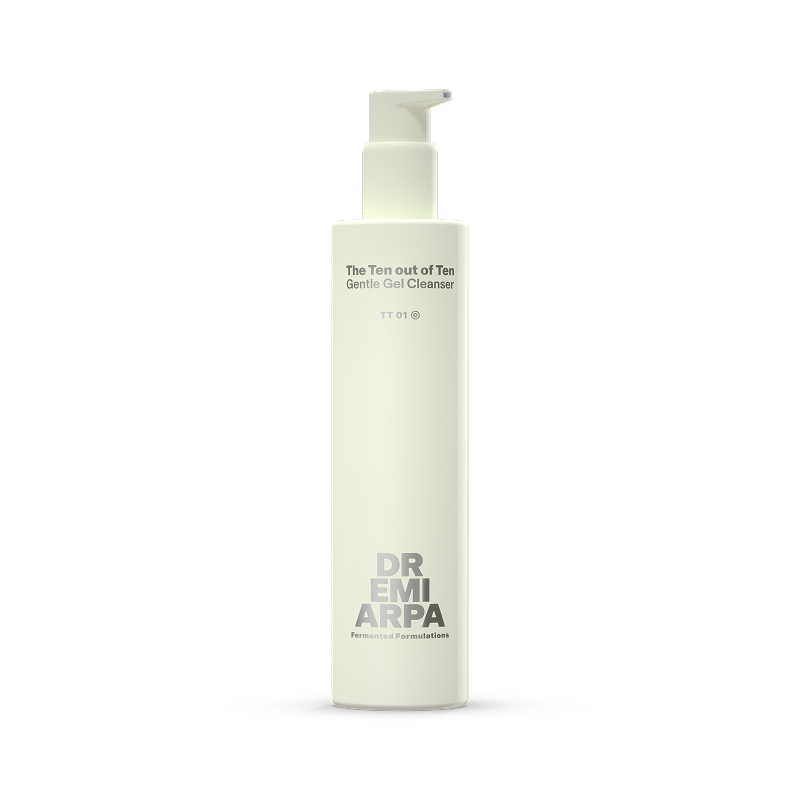
    The skin’s chemical barrier is based on a slightly acidic pH level, which ranges between 4.5 and 5.5. When purchasing cosmetic products, you should therefore pay attention to the pH level to preserve the skin’s natural acid mantle.  Gentle cleansing products with a skin-neutral pH help maintain the skin’s protective barrier. Our The Ten out of Ten Gentle Gel Cleanser, with mild sugar-based surfactants, cleanses effectively without damaging the skin barrier.
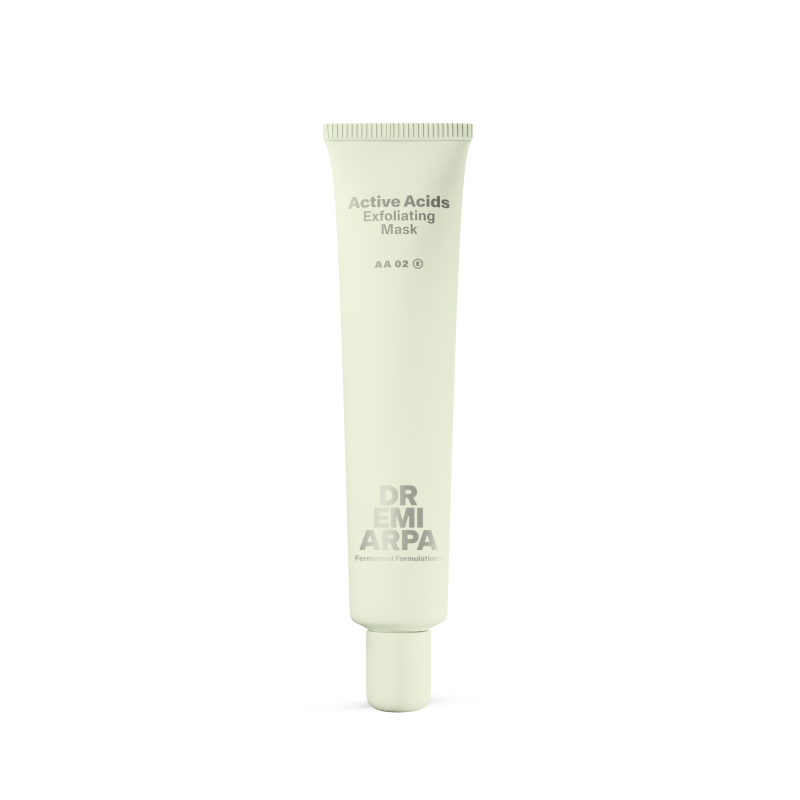
  3. Avoid aggressive, abrasive exfoliants
    Avoid
    highly abrasive, mechanical exfoliants that can damage the skin barrier by reducing skin lipids and potentially causing micro-injuries. A gentle alternative is chemical exfoliants, which can be used once or twice a week depending on your skin type and acid concentration, such as the Active Acids Exfoliating Mask.
  4. Monitor your skin and respond to its individual needs
    A regular skincare routine tailored to your skin type is essential for strengthening the skin barrier. Soothing ingredients such as ceramides, panthenol (provitamin B5), amino acids, and copper peptides can help calm the skin and improve its barrier function.

KEY TAKEAWAYS
A strong and healthy skin barrier is essential for protecting the skin and preventing skin problems. A compromised skin barrier can lead to dryness, irritation, and infections. Therefore, it is important to strengthen the skin barrier and rebuild the skin’s protective barrier. Through targeted care and the use of appropriate products, the skin barrier can be strengthened and maintained over the long term. Using skincare products containing ceramides can help repair a damaged skin barrier and rebuild it. Good sun protection is also essential for shielding the skin barrier from UV damage. Proper skincare strengthens the skin’s structure and the body’s protective barrier. Incorporating gentle cleansers, moisturizers, and effective sun protection into your daily skincare routine significantly contributes to skin health. 

FAQ

The skin consists of three main layers: the epidermis, the dermis, and the subcutis. Each of these layers contains different cell types and structures that perform specific functions.

The skin performs numerous functions, including protecting the body from external factors, regulating body temperature, and sensing touch and pain.

The skin is divided into three main layers: the epidermis, the dermis, and the subcutis. The epidermis contains keratinocytes and melanocytes; the dermis contains collagen and elastic fibers as well as blood vessels; and the subcutis consists mainly of adipose tissue.

The epidermis protects the body from environmental factors, prevents water loss, and contains cells that provide an immune defense against microorganisms. It also plays a role in the production of melanin, which protects the skin from UV rays.
Don’t forget: Retinoids such as high-dose retinol and retinal make the skin more susceptible to sun damage, including sunburn, hyperpigmentation, and signs of aging. Therefore: Always apply sunscreen (at least SPF 30, preferably SPF 50) while using retinal—even in the fall and winter.

The human skin has three main layers: the epidermis, the dermis, and the subcutis. The epidermis, in turn, consists of five sublayers: the stratum corneum, the stratum lucidum (only in certain areas), the stratum granulosum, the stratum spinosum, and the stratum basale.

The lowest layer of the epidermis, the stratum basale, is responsible for producing new skin cells. These cells migrate upward to replace dead cells on the surface.

The skin performs many important functions, including:

  • Protective function: It protects against physical, chemical, and microbial influences.
  • Temperature Regulation: It helps regulate body temperature.
  • Sensory function: It contains receptors for pressure, temperature, and pain.
  • Metabolism: It plays a role in the synthesis of vitamin D.
  • Immune system: It forms a barrier against pathogenic microorganisms.

The skin renews itself approximately every 28 days. However, this process—known as natural cell turnover—can be influenced by various factors, such as age, diet, and skincare. Regular exfoliation can help remove dead skin cells and support the skin's renewal process.