

WHAT IS IMPURE SKIN?
Blemished skin is primarily characterized by excessive sebum production (seborrhea), clogged pores (comedones), and inflammatory lesions such as papules and pustules. It often occurs during puberty, but it can also affect adults, especially during hormonal changes. Important: Acne-prone skin is a skin condition, not necessarily a disease. Acne, on the other hand—the medical term for the most common form is acne vulgaris—is a chronic, inflammatory skin disease. It is characterized by pimples, comedones, and pustules.
There are two different types of skin blemishes: non-inflammatory blemishes (such as blackheads) and inflammatory blemishes (such as pimples and cysts). Blemished skin may be accompanied by enlarged pores, an oily sheen, or—on fair skin—localized redness. In people with darker skin tones, however, blemishes and acne can often lead to pigmentation issues or dark discoloration.
TIPS FOR TREATING ACNE-PRONE SKIN
What helps treat acne-prone skin? There are a few tips that can have a positive effect on your skin:
- Gently Cleansing Problem Skin
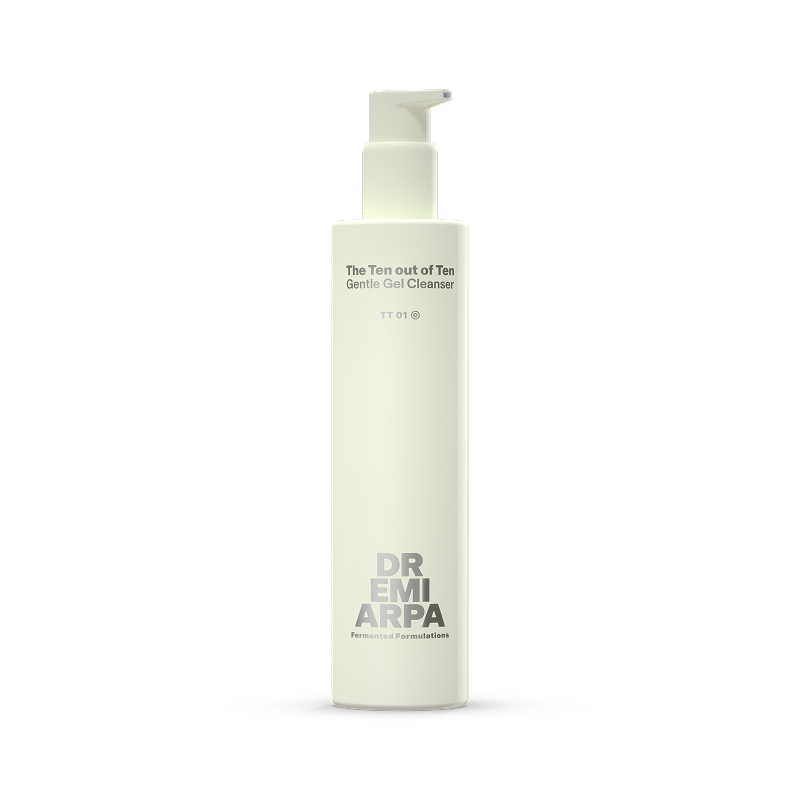
Problem skinshould never be cleansed aggressively. On the contrary: Washing too frequently can damage the skin barrier and contribute to breakouts. For blemished skin or acne, a mild facial cleanser with a pH-balanced, non-drying formula is sufficient to remove excess sebum without irritating the face. Harsh surfactants or formulas with high alcohol content are not recommended. Incorporating Effective Active Ingredients into Your Routine There are several active ingredients that may be recommended in facial care for treating pimples and blemishes: AHA (e.g., glycolic acid): Alpha hydroxy acids (AHAs) promote natural exfoliation by gently loosening dead skin cells. BHA (e.g., salicylic acid): Salicylic acid is an exfoliating substance and is also lipophilic—meaning it can penetrate the skin because it has a high fat content. Salicylic acid thus clears pores of excess sebum and can help combat blackheads and pimples.Chemical peels containing AHA (such as glycolic acid) and BHA (salicylic acid) help remove dead skin cells and cleanse the pores on the face. Mechanical peels are not recommended: They contain small granules—usually in the form of a cream or gel—and can cause micro-injuries to the skin.
- Retinoids (e.g., retinal):
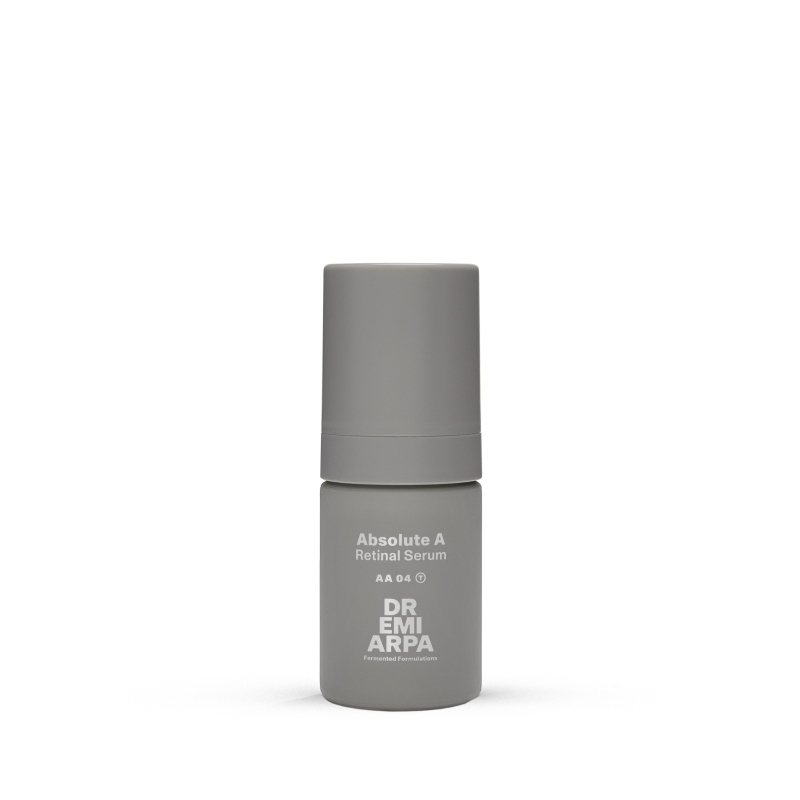
Retinoids can regulate keratinization and reduce sebum production, meaning they have a comedolytic effect. They can also have an anti-inflammatory effect. A retinal serum may therefore be beneficial for blemish-prone skin.
- Niacinamide:
Niacinamide regulates sebum production and can reduce redness and hyperpigmentation—which are dark spots or discoloration that can remain after blemishes or lesions caused by acne. Niacinamide can therefore help with blemish-prone skin—for example, in the form of a weekly face mask like the Pore Perfection Purifying Mask.
- Incorporate Moisture and UV Protection
Blemish-prone skin can also be dry—and it needs moisture, too. For facial care for acne and blemishes, light formulations with ceramides and panthenol are ideal, as they help regulate moisture balance and strengthen the skin barrier.
Important: When dealing with blemish-prone skin, you don’t necessarily have to use a cream specifically for pimples. While face cream with salicylic acid is effective against enlarged pores and pimples, it’s even more important to use a moisturizer at all. The idea that moisturizing products stimulate sebum production and may actually be the cause of oily skin and breakouts is a widespread myth. Also, incorporate a sunscreen with a high SPF into your daily routine—for example, in the form of a sunscreen lotion or a lightweight SPF fluid. This will protect your skin from premature aging and also help counteract post-inflammatory hyperpigmentation.
- Removing Skin Blemishes
Do you want to remove skin blemishes? You shouldn’t try to do this on your own. Inflamed blemishes and blackheads should only be treated by trained estheticians. They have the necessary expertise and techniques to safely and effectively remove facial blemishes without damaging the skin or leaving scars.