
• Skincare

Skincare Is Self-Care: The Skin-Brain Axis

Self-care can also have a positive effect on your skin, because the connection between the skin and the mind—the skin-brain axis—enhances our well-being. Here, you’ll find all the important facts and tips. Looking for products for a self-care session at home? Then our masks are just what you need.

Contents

SKIN-BRAIN AXIS – THE CONNECTION BETWEEN THE SKIN AND THE MIND

Have you ever used a skincare product that made you feel good right away? Sometimes it’s a rich cream that makes your skin glow, or a cooling gel after a long, hot summer day—all these products share a common goal: they’re designed not only to care for your skin but also to appeal to your emotions. In this article, you’ll learn all about the skin-brain axis.

The Scientific Basis of the Skin-Brain Axis
The skin and the mind are interconnected in complex ways: Stress and negative emotions can manifest as skin conditions such as acne, eczema, or psoriasis. Conversely, healthy skin and a positive self-image can benefit one’s emotional well-being.

Scientific Overview
Both the skin and the brain originate from the same embryonic layer—the ectoderm—which creates a close connection between the two systems. Shared signaling pathways: Neurotransmitters such as neurotrophins, stress hormones (e.g., cortisol), and neuropeptides play an important role—not only in the skin but also in the brain. Neuroimmunological communication: Psychological stress can exacerbate inflammation in the skin via the central nervous system (as in atopic dermatitis or psoriasis). Conversely, skin conditions such as acne affect emotional well-being through visible symptoms and increase stress.

Stress and Skin Health
Stress can have a negative impact on our bodies, especially on the skin. During mental stress, stress hormones such as cortisol are released via the hypothalamic-pituitary-adrenal axis (HPA axis for short), which can trigger inflammatory processes in the skin. Chronic stress exacerbates this inflammation, leading to a vicious cycle. Symptoms or complaints such as redness or itching can intensify mental stress, which in turn negatively affects skin health and emotional well-being. Studies show that acne, for example, can affect self-image more than any other skin condition—creating a stressful cycle. The good news, especially with regard to the skin-brain axis: Skincare is more than just a cosmetic measure—it can help reduce stress and promote emotional balance.

Good to Know: Psychodermatology
Psychodermatology is a field that focuses on skin diseases and their psychological effects. Since the skin and the brain are connected via nerves, hormones, and the immune system, psychodermatology helps us better understand the link between skin health and mental health.

SIDE NOTE: THE “GUT-SKIN AXIS”

Not only are the brain and the skin connected, but there is also an interaction between the gut and the skin. The reciprocal connection between the gut and the skin is known as the “gut-skin axis.” Central to this is the microbiome—that is, the totality of all microorganisms that colonize our body and, above all, our gut. Recent studies show that a balanced gut microbiome has a positive effect on the immune system and strengthens the skin barrier. Conversely, disruptions in the gut—for example, due to dysbiosis (an imbalance of microorganisms)—can contribute to increased susceptibility to inflammation and skin irritations.

Crucial to this process is the close exchange of signaling molecules and immune cells between the gut and the skin: When the gut microbiome is stable, more anti-inflammatory signaling pathways are activated, and the skin is better able to fulfill its protective function. In contrast, when gut flora is disrupted, not only does the permeability of the intestinal barrier increase, but the skin’s susceptibility to inflammation and irritation often rises as well.For skincare, this means that in addition to topical products—that is, those applied externally to the skin—lifestyle factors (such as diet and stress management) should also be taken into account to keep the microbiome in balance. A healthy gut has thus been shown to have a positive effect on skin condition.

<p>EXKURS: DIE “GUT-SKIN AXIS”</p>

SELFCARE: MINDFULNESS THROUGH SKIN CARE

Skincare isn’t just a daily routine—it’s also an act of self-care. Especially during stressful times, mindful rituals can help you find moments of calm and restore your inner balance. The textures of skincare products—such as cooling gels or nourishing oils—can have a positive effect on your well-being. When you take the time to apply products mindfully and slowly, you can harness the skin-brain axis for yourself. This turns your routine into a ritual that not only cares for your skin on the outside but also relaxes you and promotes emotional well-being—wellness at home, so to speak.

The Skin as a Sensory Organ
The skin is more than just a protective barrier—it is a highly sensitive organ that influences our emotional well-being. Through special fibers in the skin (C-tactile fibers), we perceive gentle touch, which activates areas of the brain responsible for emotions and rewards. A light massage or the application of skincare products can therefore reduce stress and release the “feel-good” hormone oxytocin. These calming effects can have a positive impact on skin conditions associated with irritation or itching.

Skincare for the Soul: Mindfulness Through Touch

Especially for sensitive skin, gently massaging in skincare products can also help alleviate symptoms such as itching. Mindful application promotes conscious awareness of your own body and shifts your focus to your well-being rather than to skin problems.

Potential Impact on Skin Health
Studies show that gentle massages not only reduce the release of stress hormones but can even modulate the immune system. For skin conditions such as atopic dermatitis or psoriasis, this can help alleviate flare-ups and improve the condition of the skin.

Tips for a Mindful Skincare Routine

Use your skincare routine as a way to relax, turning it into a self-care routine at the same time. After all, self-care is something you can learn and quickly incorporate into your daily life: Mindfulness and slowing down can be integrated into your routine through simple adjustments like applying products slowly, breathing mindfully, or using positive affirmations. Incorporating scents can also enhance your emotional well-being, since certain or distinctive scents are often linked to positive memories.


Self-Care Ideas and Practical Tips for a Relaxing Skincare Routine


Here's a list of ideas to help you practice self-care:

  1. Take your time: Make a point of setting aside time for your routine without rushing. Tie your hair back or put on a hairband so it doesn't fall in your face. Have your tools and accessories—such as brushes, towels, and cotton pads—ready. 
  2. Gentle movements: Apply creams and lotions using slow, circular motions—for example, with a suitable brush. 
  3. Practice mindfulness: Pay attention to how the products feel on your skin as you apply them. Enjoy the textures: Choose products with pleasant textures that make applying them a delight.

PRODUCTS FOR YOUR SELF-CARE ROUTINE

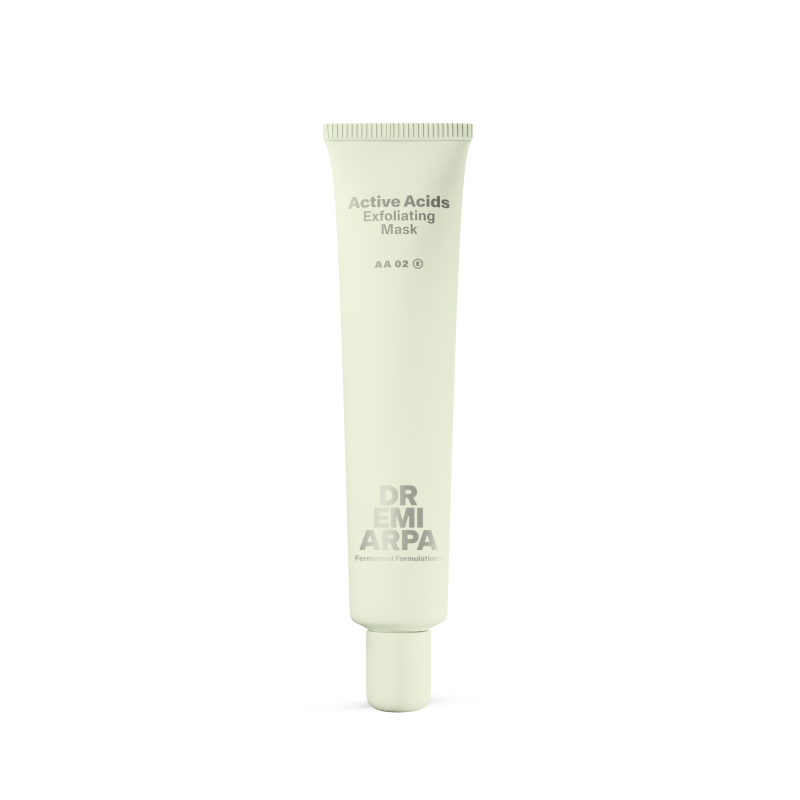
To support the skin-brain axis, you can use products such as cream masks, brushes, or special skincare products that enhance the multisensory experience of skincare. With a relaxing moment like this, you can turn your home into a spa.

Tip: To make your skincare routine especially effective, you can also use multiple masks on your face—not on top of each other, but side by side: With multi-masking, you don’t just use one mask for your entire face, but rather a product suited to each specific area. For combination skin, for example, this might mean using a clarifying, pore-refining mask on the T-zone—such as the Pore Perfection Purifying Mask—and a soothing, regenerating mask on the rest of your face—like the Overnight Oats Calming Mask.

KEY TAKEAWAYS

  • The Skin-Brain Axis describes the close connection between the skin and the brain or mind: Emotions and mental states influence skin health, while, conversely, skin care can enhance well-being.
  • Stress is a key factor that can exacerbate skin problems, as it promotes inflammation and weakens the skin barrier. At the same time, a mindful skincare routine can have a soothing effect through gentle touch and pleasant textures, helping to reduce stress and release the “happiness hormone” oxytocin.
  • In addition, the Gut-Skin Axis plays a key role in skin health: A balanced gut has a positive effect on the skin, while an imbalance in gut flora can contribute to skin irritation.
  • The term “holistic beauty” describes a comprehensive approach that combines skincare, stress management, and a healthy diet to improve both the appearance of the skin and overall well-being in the long term.

FAQ

Take care of yourself: Self-care is the active practice of looking after yourself, using various methods to reduce stress, improve your overall well-being, and create a healthy balance in your life. This can be achieved through simple rituals, such as mindfully applying a moisturizer or doing a relaxing breathing exercise. There are also many helpful home spa ideas that let you bring a little wellness into your own home.

Self-care refers to all the conscious steps we take to promote our physical, mental, and emotional well-being. This includes routines such as skincare, healthy eating, exercise, or meditation—in other words, anything that helps us feel balanced and at ease.

Self-care helps reduce stress, strengthen emotional balance, and stay healthy in the long run. That’s why it’s worth actively setting aside time for self-care—for example, by blocking it off in your calendar. Especially in a hectic daily routine, a self-care day allows you to consciously take time for yourself and nurture the connection between your body and mind.

Stress can negatively affect skin health by promoting inflammation, weakening the skin barrier, or even exacerbating skin conditions such as acne, atopic dermatitis, or psoriasis. This effect can be counteracted through stress management and a mindful skincare routine.

The skin-brain axis describes the connection between the skin and the brain. These two organs communicate with each other via nerve pathways, hormones, and the immune system, meaning that stress, emotions, or psychological strain can directly affect skin health.

Skincare can serve as a self-care ritual that promotes relaxation, reduces stress, and boosts self-confidence. Gentle touch while applying lotion releases feel-good hormones like oxytocin, thereby supporting mental well-being.

There are many at-home spa ideas that also support the skin-brain axis: products with soothing ingredients or cooling masks can have a positive effect on the skin-brain axis. Gentle massage tools (such as mask brushes and Gua Sha tools) and multi-masking techniques also help turn skincare into a relaxing ritual.