• Skincare

Everything You Need to Know About Fruit Acid Exfoliants

Chemical peels have become an integral part of modern skincare routines. Here, you'll learn everything about how fruit acid peels work, their benefits, and how to use them properly.

Contents

WHAT IS A CHEMICAL PEEL?

A chemical peel is, by definition, a purely cosmetic treatment in which a solution containing various acids is applied to the skin to remove dead skin cells. This can result in smooth, radiant skin and may help treat acne, hyperpigmentation (dark spots), and fine lines.

What is a fruit acid peel?
Fruit acids include alpha hydroxy acids (AHAs). These natural acids are derived from fruits, milk, or sugarcane. In skincare, acids such as AHAs are used to exfoliate the skin. Well-known AHAs include glycolic acid, lactic acid, and citric acid. A fruit acid peel for the face exfoliates the outermost layer of skin, can promote cell renewal, and improve skin texture.

In addition to AHAs, there are other hydroxy acids used in chemical facial peels:

  • Beta-hydroxy acids (BHAs): A well-known example is salicylic acid. This fruit acid penetrates deep into the pores, dissolves excess sebum, and is particularly suitable for skin prone to blemishes and acne.

  • Polyhydroxy acids (PHAs): Gluconolactone, for example, is a gentle acid known for its moisturizing and antioxidant properties. PHAs are ideal for sensitive skin because they are less irritating.

    Each of these different acids offers distinct benefits for the skin and can be specifically combined to treat various skin conditions.

WHAT IS THE DIFFERENCE BETWEEN THIS AND A MECHANICAL EXFOLIATION?

Mechanical or physical exfoliants use abrasive particles to physically exfoliate the skin, while chemical exfoliants use acids to break down the bonds between dead skin cells. Chemical peels are often gentler and more consistent in their application. If used improperly, mechanical peels can irritate the skin and cause micro-tears, whereas chemical peels work more evenly and in a more controlled manner, resulting in less skin irritation.

For the ultimate skin renewal: High-concentration, yet gentle
Highly concentrated fruit acid peels from cosmetic brands—containing up to 30% AHAs alone—are particularly effective but can severely irritate the skin. That’s why our Active Acids Exfoliating Solution features a balanced 25% hydroxy acid blend consisting of 13% AHAs, 10% PHAs, and 2% BHAs. These concentrations provide effective exfoliation without unnecessarily stressing the skin.

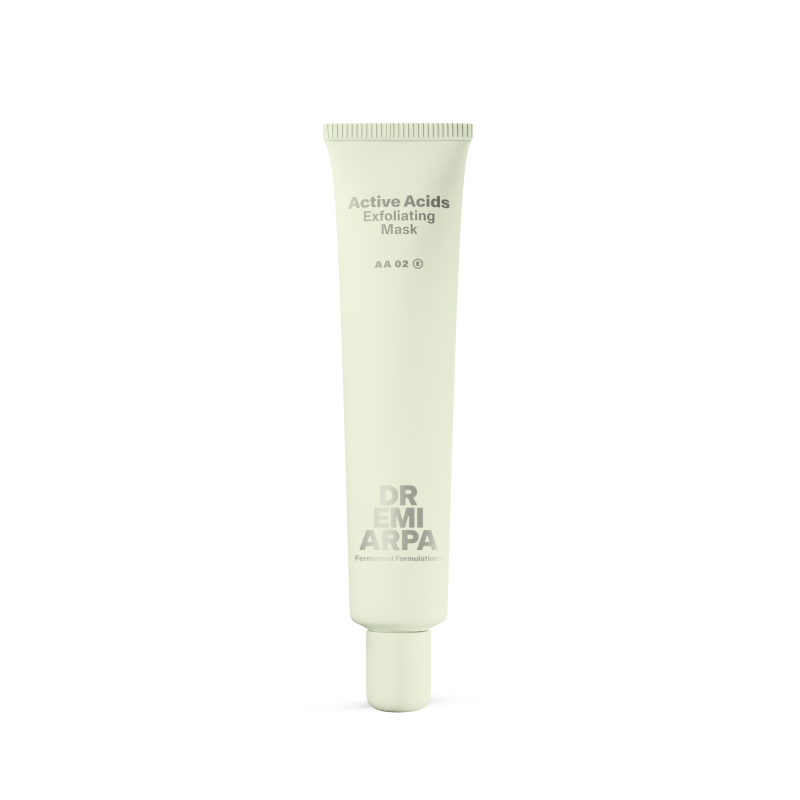
The Active Acids Exfoliating Mask formula contains approximately 10% AHAs, consisting of glycolic acid and lactic acid. These acids help exfoliate the outermost layer of skin and improve skin texture. While other chemical peels contain up to 30% AHAs, we at DR. EMI ARPA SKIN prefer a moderate yet effective concentration to avoid severe irritation.
It also contains 10% gluconolactone (PHA), which provides gentle exfoliation and intense hydration. PHAs are less irritating than other hydroxy acids yet still effective.
Active Acids Exfoliating Mask also contains 2% BHA in the form of salicylic acid. This concentration is the maximum concentration permitted by law for cosmetic facial care products and is particularly effective in treating blemishes.

<p>WAS IST DER UNTERSCHIED ZU EINEM MECHANISCHEN PEELING?</p>

BENEFITS OF THE ACTIVE ACIDS EXFOLIATION MASK

Triple Exfoliation Effect
The combination of AHA, PHA, and BHA exfoliates the skin on three levels. PHA gently exfoliates the surface, AHA promotes cell renewal in deeper layers of the skin, and BHA combats blemishes. The result is smooth and radiant skin.

Intense Renewal Boost
With a total of 25% hydroxy acids, our chemical peel delivers intense skin renewal. 13% AHA, 10% PHA, and 2% BHA provide fast and visible results for a fresh complexion. This high-concentration formulation is effective without being harsh. The formulation can also reduce the appearance of acne scars.

Anti-Blemish Action
Salicylic acid (BHA) penetrates the pores and fights blemishes. It can be used to support acne treatment and helps refine the skin’s texture. AHAs also help reduce the appearance of acne marks and can make the skin tone appear more even.

Barrier +
10% prebiotics and postbiotics strengthen the skin barrier, soothe and hydrate the skin, and support the skin microbiome. Arginine can further contribute to hydration and soothe irritation. This skincare product is especially important after using a fruit acid peel on the face to soothe and protect the skin.

HOW TO USE A CHEMICAL PEEL AT HOME

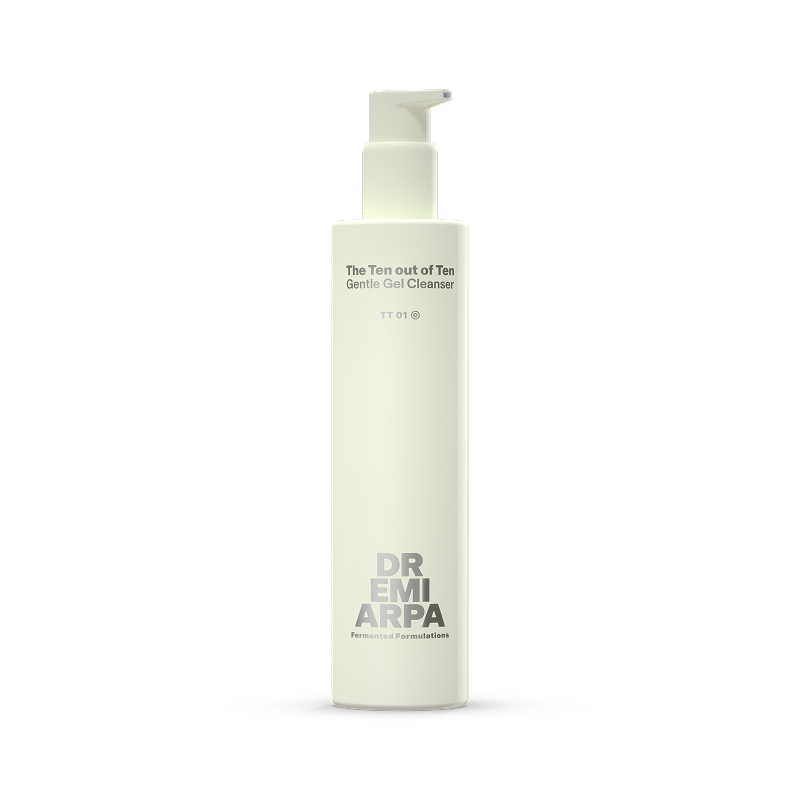
  1. Preparation: First, thoroughly cleanse the skin to remove dirt and oil—for example, with The Ten Out Of Ten Gel Cleanser. Then dry your face thoroughly.
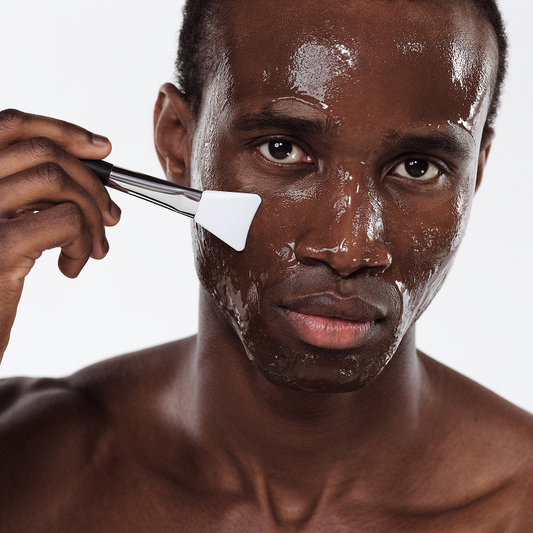
  2. Exfoliation: Apply a thin layer of the Active Acids Exfoliating Mask to clean, dry skin. Use the Precision Pro Treatment Brush for precise and clean application. Avoid the lip and eye areas. For the first application, leave on for 1–3 minutes. For advanced users, the application time can be gradually increased to a maximum of 10 minutes.
  3. Cleaning: After letting it sit for the recommended time, rinse the scrub thoroughly with lukewarm water.
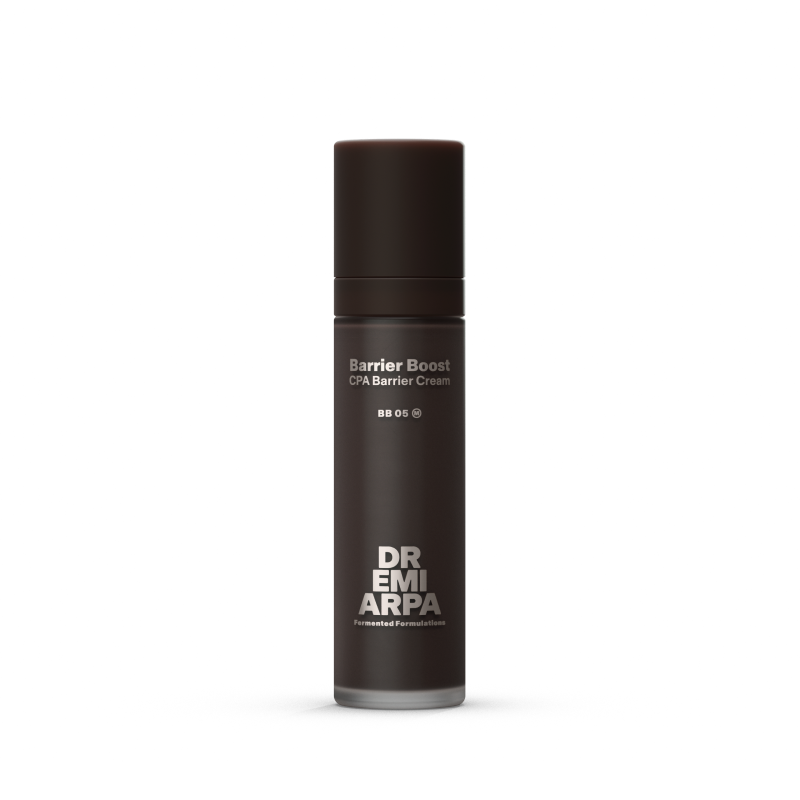
  4. Moisturizing: Finally, apply a moisturizer such as the Barrier Boost CPA Barrier Cream to strengthen the skin barrier.
  5. Sun Protection: The next morning and on the following days, you should always use a sunscreen with a high sun protection factor (SPF 50) and avoid direct sunlight, as hydroxy acids can make the skin more sensitive to light.

    NOTE: Sun protection after a fruit acid peel
    While using the Active Acids Exfoliating Mask, some people may experience a slight tingling sensation—a sign that the acids are working. After rinsing, the skin may appear slightly reddened. Don’t worry; this redness usually subsides quickly and is completely gone by the next morning, leaving your skin looking fresh, radiant, and rejuvenated.After using a fruit acid peel, it’s especially important to protect your skin from the sun. Fruit acid peels, like AHA peels, contain acids that exfoliate the outermost layer of skin, which can make the skin more sensitive to UV rays. This is especially true for the face, as these areas are most frequently exposed to the sun.After a chemical peel, it’s essential to use sunscreen with a high sun protection factor (SPF 50). This protects the freshly exfoliated skin from UV rays and prevents damage such as sunburn and hyperpigmentation. It’s advisable to avoid the sun as much as possible in the days following the treatment.

KEY TAKEAWAYS
Chemical peels, such as fruit acid peels, offer numerous benefits for the skin. They exfoliate the outermost layer of skin, promote cell renewal, and improve skin texture. Active Acids Exfoliating Mask combines the beneficial properties of AHAs, PHAs, and BHAs to renew and revitalize the skin. With proper application and follow-up care, you can achieve an even complexion with an instant glow.

FAQ

A fruit acid peel is a chemical peel that uses alpha-hydroxy acids (AHAs), such as glycolic acid and lactic acid, to gently exfoliate the outermost layer of the skin. These acids promote cell renewal and improve the skin’s appearance. Originally, these acids were derived from natural sources such as fruits, milk, or sugarcane; however, today they are mostly of synthetic or biotechnological origin to ensure consistent quality and effectiveness.

How often you use it depends on your skin type and the concentration of the exfoliant. It is recommended that you use a fruit acid exfoliant at home once or twice a week. If you have sensitive skin, it may be best to limit use to once a week.

Potential side effects include skin irritation, redness, and increased sensitivity to UV rays. It is therefore important not to leave the exfoliant on for more than 3 minutes during your first use and to always apply sunscreen in the days following use to protect your skin from damage.

A fruit acid peel exfoliates the skin, promotes cell renewal, and can help reduce fine lines, wrinkles, hyperpigmentation, and, in some cases, acne. It leaves the skin smoother, more radiant, and more even-toned.

In a fruit acid peel, the acids break down the bonds between dead skin cells, which are then exfoliated. This promotes cell proliferation (cell turnover)—in other words, the skin’s renewal process. This helps new cells migrate to the skin’s surface, which can result in smooth and radiant skin.

Possible side effects may include redness, dryness, and a slight burning or tingling sensation during and after use. These effects are usually temporary. If used improperly or too frequently, more severe irritation may occur. In such cases, discontinue use immediately.

Many users report smoother, more radiant skin and an improvement in the appearance of acne, hyperpigmentation, and fine lines. However, it is important to follow the instructions carefully and monitor your skin for any reactions.

Long-term use of fruit acid peels can lead to a significant improvement in skin texture, a reduction in fine lines, and a more even skin tone. It can also promote collagen production, which makes the skin appear firmer.

Fruit acid peels can generally be suitable for all skin types; however, people with very sensitive skin or skin conditions such as rosacea should exercise caution and may want to consult a dermatologist before using a highly concentrated fruit acid peel.

Yes, but it's important to choose products that won't further irritate the skin. After a fruit acid peel, you should use soothing and moisturizing products. You should avoid strong active ingredients such as retinoids (e.g., retinal) or other hydroxy acids to prevent possible irritation.