• Lifestyle
  • Skincare
  • Products

Dermaplaning: A Glow from Shaving Your Face?

Flawless makeup application and a radiant glow: that’s what facial shaving—also known as dermaplaning—promises. This article reveals the facts and debunks the myths surrounding the topic, and provides tips for achieving radiant-looking skin.

Contents

DERMAPLANING: WHAT IT IS AND WHY IT'S USED

Dermaplaning has become a trend in recent years, especially on social media—often in connection with promises of “glass skin,” improved makeup application, and an extra glow. Is all of this true, and should women remove their facial hair, too? We’ll explain what happens during dermaplaning and what results you can really expect. 

Dermaplaning is, so to speak, the female equivalent of a facial shave for men. During the procedure, a small razor is used to gently remove the fine hairs across the entire face. The exciting thing about it: The procedure is essentially not just hair removal, but also a physical exfoliation, because the blade removes dead skin cells from the outermost layer of the skin, the stratum corneum. These “old” skin cells and the fine facial fuzz can make the complexion look dull, which is why the treatment often comes with the promise of a subtle glow. 

THE BENEFITS OF SHAVING YOUR FACE

Dermaplaning is much more than just a quick beauty fix for smooth skin; it’s a strategic intervention in your skin’s physiology. By gently removing surface dead skin cells, you prepare your skin perfectly for subsequent skincare, allowing serums and creams to be better absorbed—without this natural barrier—and to work to their full potential.

At the same time, the treatment enhances your skin’s radiance: From a physical standpoint, light reflects much more evenly off a smooth, even surface. Where fine hairs and uneven skin previously absorbed the light, a glow can now emerge—often referred to as “glass skin.” So this isn’t some magical promise, but simply the optimization of your skin’s surface in this regard.

Dermaplaning can also be a real upgrade for your daily makeup routine. That fine layer of facial hair often acts like an unwanted filter that can cause foundation and powder to settle, quickly leading to a patchy or “cakey” finish. After dermaplaning, the textures blend seamlessly into the skin. The result is a more even finish, even in daylight. 

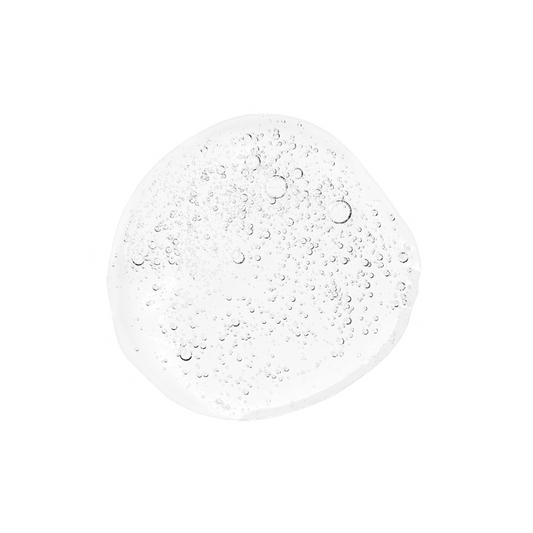
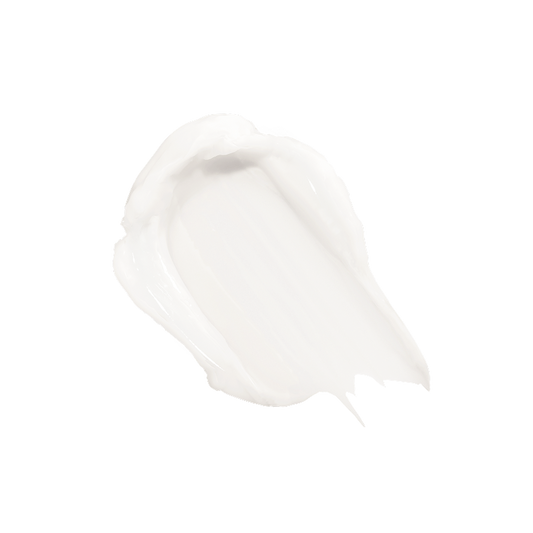
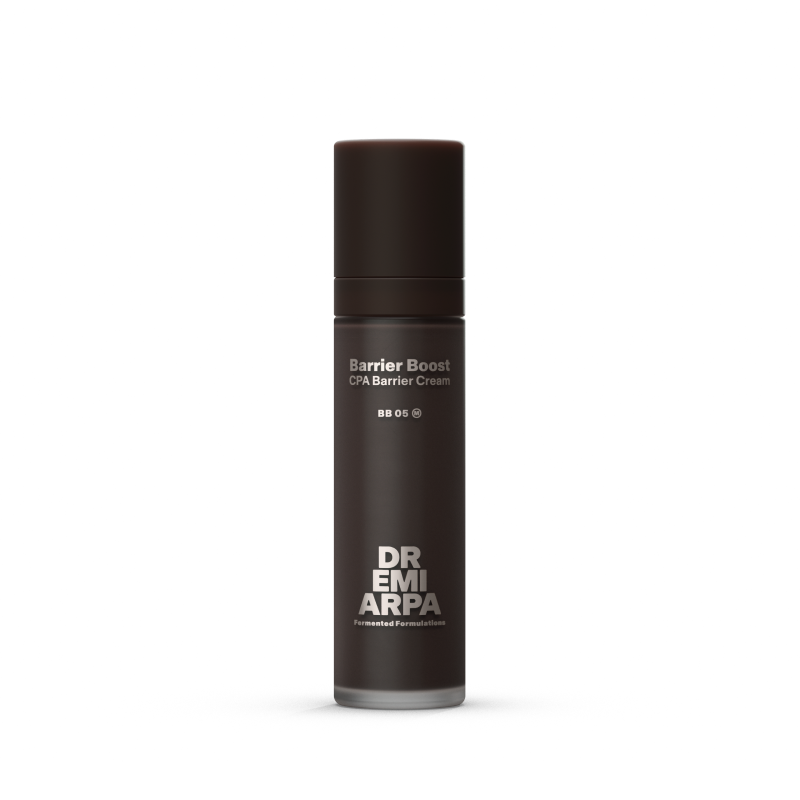
But be careful: After a mechanical exfoliation like this, skincare is essential to gently soothe any irritation. The Hydra Hero Milky Drops from DR EMI ARPA SKIN, for example, are perfect for this. They combine hydration and freshness in an ultra-light, milky texture that glides gently over the skin. They also absorb quickly and leave the skin feeling soothed and hydrated, making them ideal as a makeup base or aftershave—for example, when used in combination with the Barrier Boost+ Rich Cream. 

PRODUCT SPOTLIGHT: HYDRA HERO MILKY DROPS

  • 8% prebiotics and postbiotics support the skin microbiome and have a soothing effect.
  • 3% vegan kefir ferment strengthens the skin barrier, helps reduce redness, and supports skin elasticity.
  • 5% panthenol moisturizes, soothes, and promotes skin regeneration.
  • Ceramides strengthen the skin barrier.
  • Polyglutamine and hyaluronic acid have moisturizing and plumping effects.
  • Beta-glucan moisturizes the skin, strengthens the skin barrier, and promotes skin regeneration.

Deep hydration, drop by drop. 

<p>PRODUKT-SPOTLIGHT: HYDRA HERO MILKY DROPS</p>

DERMAPLANING AT HOME: A GUIDE TO FACIAL SHAVING

1. CLEANING

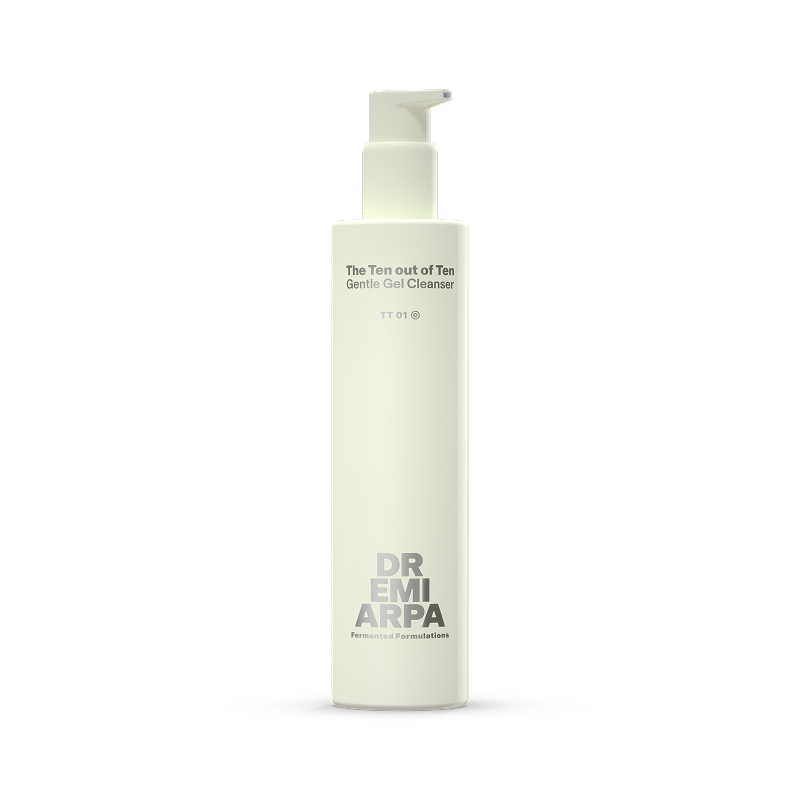
Cleanse your face with a mild cleanser, such as the Ten out of Ten Gentle Gel Cleanser by DR EMI ARPA SKIN, to remove makeup, dirt, and excess sebum. A clean base is essential to prevent bacteria from getting into your freshly exfoliated skin.

2. PREPARATION

Apply facial oil to your entire face. This helps the blade glide more smoothly and reduces the risk of injury.

3. SHAVING

Place the razor on your skin in the direction of hair growth and glide it across your face in gentle, short strokes. As you do so, use your free hand to gently stretch the skin to create a smooth surface.

4. WASHING UP

First, rinse your face with cold water, and then use our mild Ten out of Ten Gentle Gel Cleanser for a final cleanse. This ensures that all loosened hairs and oil residue are thoroughly removed without disrupting your skin’s pH balance.

5. CARE

Apply the Hydra Hero Milky Drops as a soothing treatment, followed by our Barrier Boost or Barrier Boost+. Since the skin barrier is temporarily “open” after mechanical exfoliation, the vegan kefir ferment, ceramides, and panthenol in Hydra Hero help soothe the skin. The ceramides and ectoine in the Barrier Boost products help immediately minimize transepidermal water loss (TEWL) and seal the lipid layer. During the day, finish your routine with an SPF. 

DERMAPLANING: DEBUNKING MYTHS

There are many half-truths circulating about dermaplaning, which often cause uncertainty. Perhaps that’s why you, too, are still hesitant about the topic. We’ve taken a closer look at the most common claims and examined them based on dermatological findings so that you can perform your at-home treatment with confidence and achieve satisfying results.

Myth 1: Your hair grows back thicker and darker.

That’s probably the biggest concern—but don’t worry, it’s not based on any physiological fact. Dermaplaning doesn’t change the structure or color of your hair follicles. It simply trims the hairs at the surface. When they grow back, they might feel a little “stubbier” at first because they’re missing their natural, fine tips. However, they’ll grow back with exactly the same texture and color as before.

Myth 2: Dermaplaning causes pimples and blemishes.

Not necessarily, because by removing dead skin cells, we essentially prevent them from clogging the pores and causing inflammation. However, hygiene is important: A sterile blade and proper follow-up cleansing with a cleanser are crucial to preventing breakouts or irritation.

Myth 3: It's painful or damages the skin.

When performed correctly, dermaplaning is generally painless. It involves a superficial exfoliation of the stratum corneum. As long as you use an oil to prepare the skin and let the blade glide gently, the skin barrier remains intact; the treatment simply removes fine hairs and dead skin cells.

KEY TAKEAWAYS

In summary, dermaplaning isn't just a social media trend—it can be a treatment that leaves your skin looking radiant. By combining precise hair removal with physical exfoliation, you not only remove fine facial hair but also dead skin cells.

The result is, so to speak, a strategically optimized skin surface: active ingredients can more easily take full effect, while the smoothed texture ensures even light reflection and a flawless makeup finish that looks absolutely even even in daylight. Contrary to popular belief, you don’t have to worry about thicker hair regrowth, since the hair follicle remains untouched. As long as you consistently prioritize hygiene and use barrier-strengthening and soothing aftercare products, dermaplaning is safe and effective. 

Cantisano-Zilkha, M. & Haddad, A. (2010). Aesthetic Oculofacial Rejuvenation. Elsevier Inc.

Tijani, A. O., Frempong, D., Kaur, J., Sergent, S., Shaw, K., Lessaint, R., Al Shawi, M., Verana, G., Puri, A. (2023). Dermaplaning for Transdermal Drug Permeation Enhancement: A Qualitative and Quantitative Assessment. AAPS PharmSciTech 24(2), 54

FAQ

When done correctly, dermaplaning is a physical facial exfoliation that removes dead skin cells and fine facial hair. It can therefore give your skin a healthy glow and a smoother texture. That’s why dermaplaning and exfoliation, generally speaking, are good for your face. But be careful: If you have active inflammation or acne, you should skip it to avoid further irritating your skin.

The rule here is: Less is more. Since this is an intensive mechanical facial exfoliation, we recommend doing it about every 3 to 4 weeks. That’s roughly how long the effects of dermaplaning last, and it gives your skin enough time to go through its natural regeneration cycle before you have the top layer of dead skin cells and facial hair removed again—or remove them yourself at home. 

From a dermatological standpoint, the method is safe and effective as long as proper hygiene is maintained. Many experts appreciate the exfoliating effect but emphasize that the skin barrier must be specifically nourished afterward with ceramides and moisture (such as Hydra Hero Milky Drops). However, if you have very sensitive skin, dry, flaky skin on your face, or skin conditions such as rosacea, you should always consult your doctor before performing a treatment at home on your own.

For the best results, you shouldn't use a regular body razor; instead, use a special facial razor for women and men, like our Bold Blade Facial Razor. A high-quality facial razor has a fine, sharp blade that's specifically designed for sensitive facial skin and for the precise removal of fine peach fuzz without causing nicks.

They grow back exactly as they were before. Since the blade only trims the hair at the surface and doesn't affect the root, the hair doesn't become any thicker or darker. It just feels a little duller when it first grows back because the natural, soft tip is missing—but that usually goes away quickly.

Your skin will be more sensitive than usual after the treatment. Avoid direct sun, intense sweating (sauna/gym), and potentially irritating ingredients like retinol or acids for at least 24 hours. Instead, treat your skin to barrier-boosting care, and never forget your sunscreen!