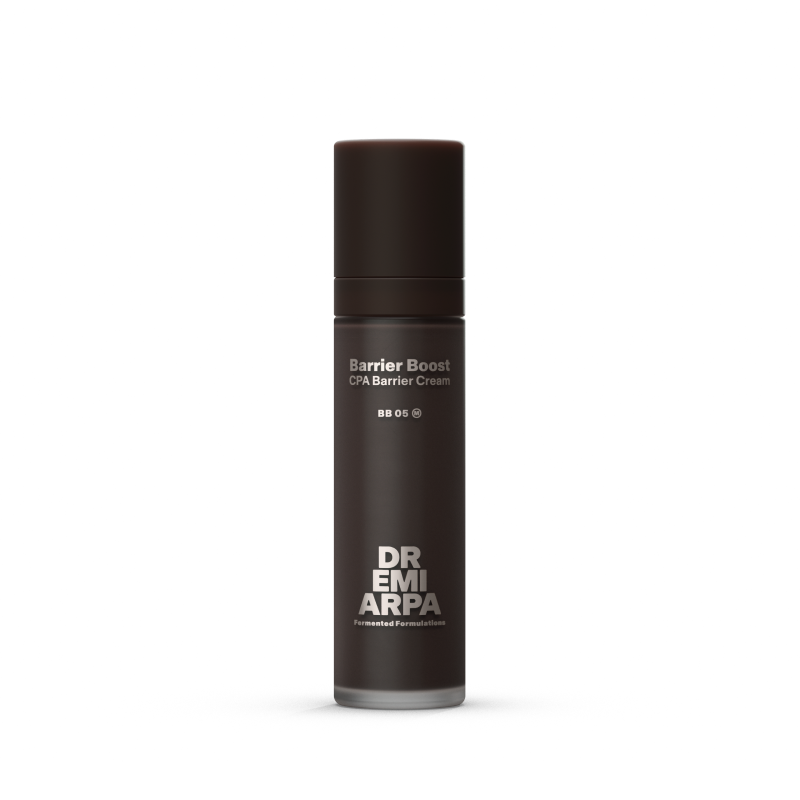
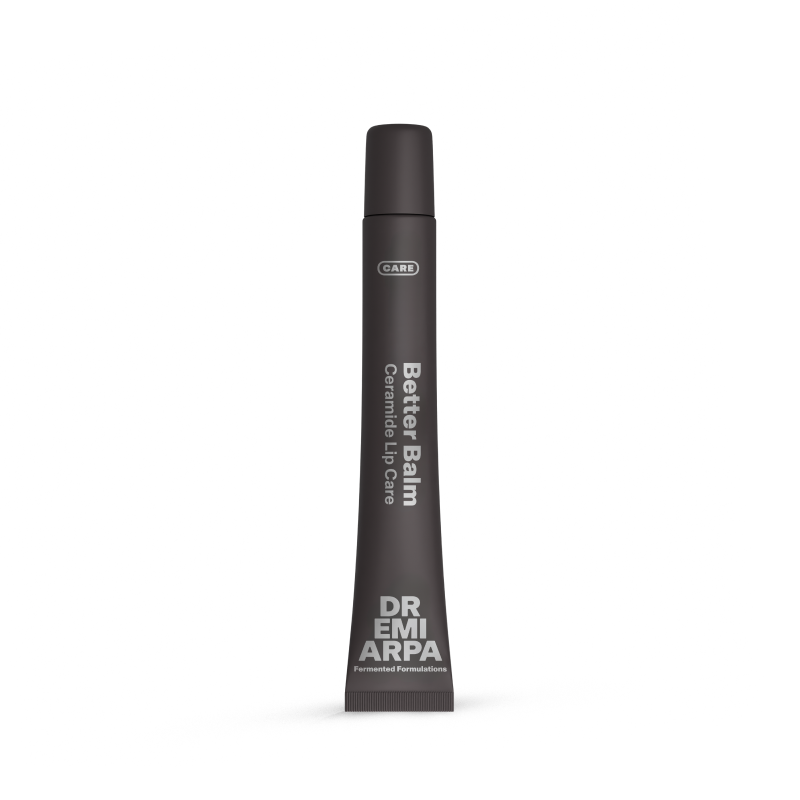
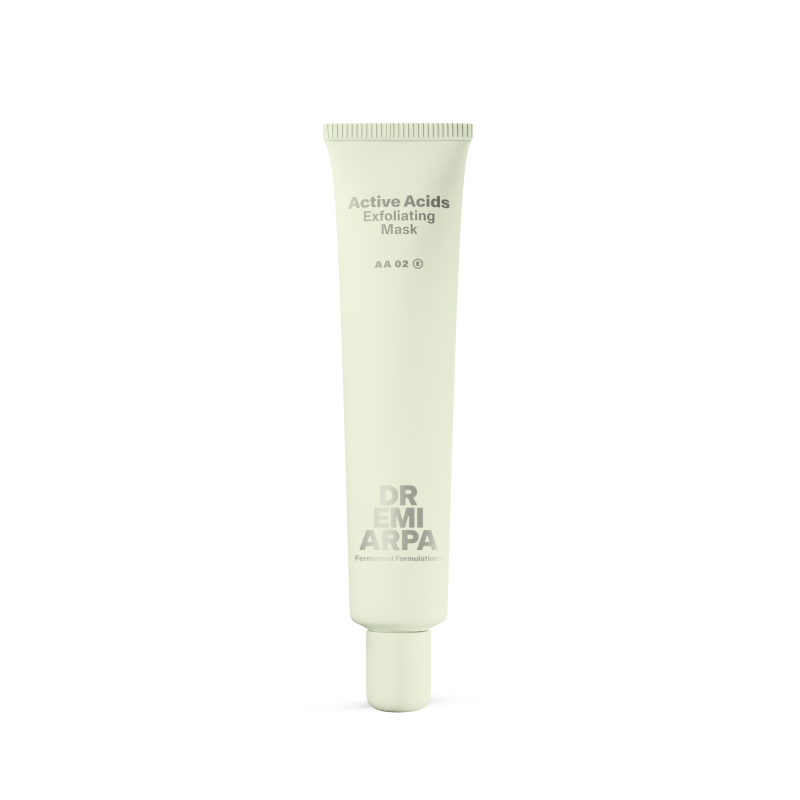
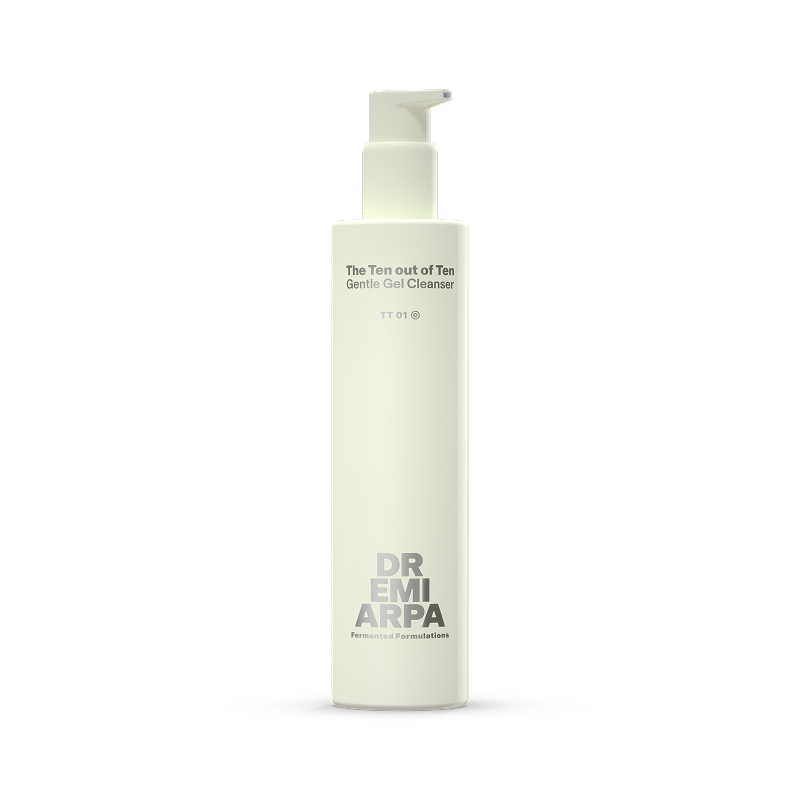

PHYTOSPHINGOSINE
Phytosphingosines are sphingolipids that occur naturally in the stratum corneum both in free form and as part of the main ceramide fraction. Phytosphingosines are known to strengthen the skin barrier. In addition, by influencing the filaggrin signaling pathway, phytosphingosines have a moisturizing effect and promote the formation of natural moisturizing factors.(1) Furthermore, phytosphingosines demonstrate excellent clinical results in skincare for acne, based on both their anti-inflammatory and antimicrobial activity.(2-3)
(1) Choi, H. K., Cho, Y. H., Lee, E. O., Kim, J. W., & Park, C. S. (2017). Phytosphingosine enhances moisture levels in the human skin barrier by stimulating filaggrin biosynthesis and degradation, leading to NMF formation. Archives of Dermatological Research, 309(10), 795–803. https://doi.org/10.1007/s00403-017-1782-8
(2) Kim, S., Hong, I., Hwang, J. S., Choi, J. K., Rho, H. S., Kim, D. H., Chang, I., Lee, S. H., Lee, M. O., & Hwang, J. S. (2006). Phytosphingosine stimulates the differentiation of human keratinocytes and inhibits TPA-induced inflammatory epidermal hyperplasia in hairless mouse skin. Molecular Medicine (Cambridge, Mass.), 12(1-3), 17–24. https://doi.org/10.2119/2006-00001.Kim
(3) Pavicic, T., Wollenweber, U., Farwick, M., and Korting, H.C. (2007), “Antimicrobial and anti-inflammatory activity and efficacy of phytosphingosine: an in vitro and in vivo study addressing acne vulgaris.” International Journal of Cosmetic Science, 29: 181–190. https://doi.org/10.1111/j.1467-2494.2007.00378.x